Lượt xem: 4.015

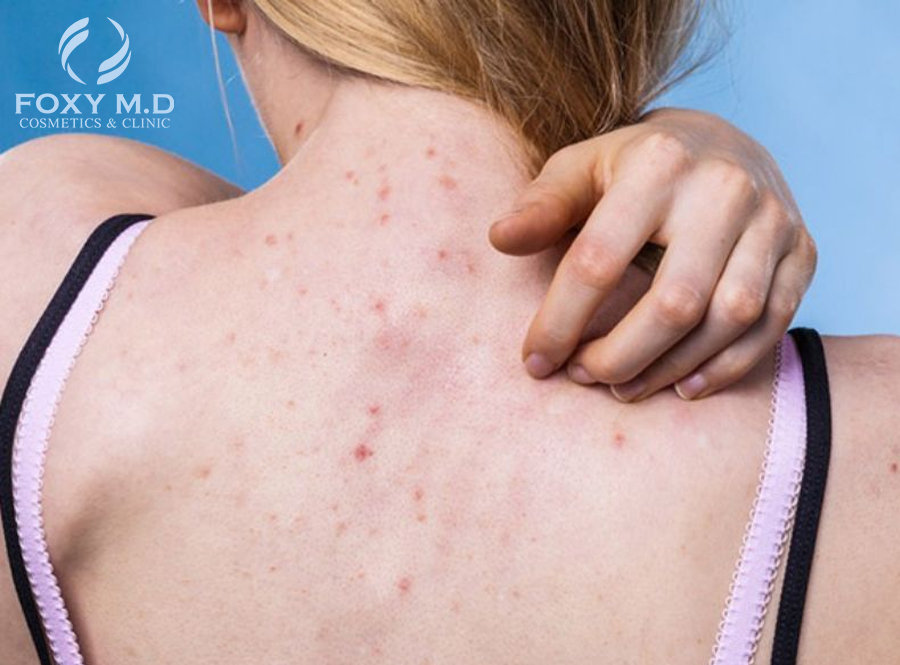
Hi everyone—I know many of you feel insecure because of those rough, red, annoying bumps on your arms, legs, or back. Folliculitis doesn’t just affect appearance (making us hesitant to wear sleeveless outfits or open-back tops), it can also be extremely itchy and uncomfortable.
Today, as someone who has studied dermatology and beauty treatments in depth, I’m sharing a very detailed guide. Let’s find the most scientific and safest answer to the question: How should folliculitis be treated?
.png)
Before talking about treatment, it’s important to understand what folliculitis really is. Folliculitis is an inflammation or infection of the hair follicles caused by different factors.
When follicles become clogged, bacteria (most commonly Staphylococcus aureus) or fungi can grow more easily. This leads to red bumps, pustules, or ingrown hairs trapped under the skin—often itchy, tender, or burning.
Folliculitis can occur on almost any hair-bearing area of the body (except the palms and soles). If you don’t treat it correctly, it can keep coming back and may leave dark marks or permanent scarring.
Early identification makes treatment easier and less expensive. Here are typical signs:
Small red bumps or white-headed pimples around hair follicles
Rough “chicken-skin” texture, either scattered or in patches
Itching, stinging, or burning—especially when sweating
Ingrown hairs curling beneath the skin
In more severe cases: bumps may break open, ooze fluid/blood, and form crusts, increasing the risk of spreading infection
To treat folliculitis effectively, you need to address the cause. Common triggers include:
The most common cause is bacterial infection (especially Staph aureus). Yeast and other microorganisms can also infect follicles, especially if the skin barrier or immune defense is weakened.
Many people shave with dull razors or without shaving gel/foam, causing tiny skin injuries that allow bacteria to enter follicles.
Waxing or plucking can also traumatize follicles, making new hairs more likely to grow back weak and ingrown, triggering inflammation.
Tight clothing (skinny jeans, tight gym wear) causes friction. Synthetic fabrics trap sweat and create a warm, moist environment where bacteria thrive.
If you don’t exfoliate, dead skin builds up and blocks follicle openings. Heavy body creams with occlusive oils (like mineral oil) can also worsen clogging.
This is the most important section. Treatment requires patience and often a combination of home care and professional support.
Modern dermatology approaches (including protocols used in reputable clinics and hospitals) often include 3 main stages:
The first rule is unclog the follicles. Treatments won’t work well if the surface is still blocked by sweat, oil, and thick dead skin.
Use chemical exfoliants such as:
BHA (Salicylic Acid): oil-soluble, penetrates pores to remove trapped sebum
AHA (Alpha Hydroxy Acids): softens and removes dead skin on the surface
If your skin is strong, you can also use gentle physical exfoliation 1–2 times/week, but avoid harsh scrubbing—this can rupture inflamed bumps and spread infection.
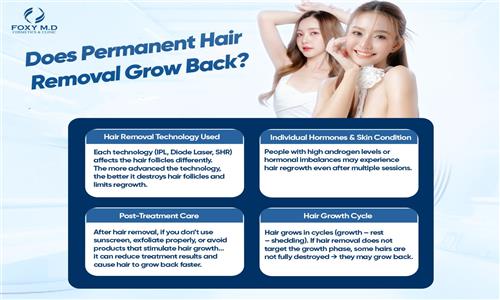
For chronic, recurring folliculitis or large areas (like the back), topical care alone may be slow. In these cases, faster and more effective options often involve laser/light-based treatments (such as IPL or Diode Laser).
These technologies use selective photothermolysis (targeted heat via light energy) to:
reduce bacterial load in follicles
shrink or weaken hair follicles
decrease hair growth, which helps prevent ingrown hairs and repeated clogging
An additional benefit is stimulation of collagen and elastin, improving skin texture and helping reduce post-inflammatory dark marks.
Many people focus only on “killing bacteria” and forget to “restore the skin,” leading to dryness and irritation—making the problem return.
Choose lightweight moisturizers (lotion/gel textures) that absorb quickly and don’t feel greasy. Helpful ingredients include:
Panthenol (Vitamin B5)
Hyaluronic Acid
Ceramides
Centella asiatica (cica) or aloe vera
Hydrated, healthy skin has stronger natural defense against infection.
Folliculitis treatment doesn’t have one fixed price because it depends on:
Severity: mild cases cost less than severe pustular or scar-prone cases
Treatment area size: back treatment usually costs more than underarms or arms
Technology used: topical treatment is cheaper; modern laser-based treatments cost more but can work faster
In many places, a session can range from a few hundred thousand to several million VND, depending on the clinic and method. For accurate pricing, a direct skin assessment is best.
Medical treatment can fail if lifestyle triggers remain. Here’s how to support results:
Shower daily, especially after sweating
Consider gentle antibacterial cleansers or body washes with Benzoyl Peroxide (if your skin tolerates it)
Don’t share towels, razors, or personal items
Wash bedding regularly and dry in sunlight when possible
Choose loose, breathable fabrics like cotton or linen
Avoid tight jeans, tight workout sets, and tight underwear during flare-ups
Drink enough water (around 2–2.5 liters/day)
Eat more vegetables and fruits rich in Vitamin C and E
Reduce spicy, oily foods and high sugar (they may increase oil production)
Avoid alcohol, smoking, and stimulants to support faster recovery
Avoid these if you want faster healing:
Picking or squeezing bumps: increases infection risk and causes scars/dark marks
Unverified folk remedies: plant pastes or homemade mixtures can irritate and worsen inflammation
Misusing antibiotics: using antibiotic creams or pills without medical guidance can cause resistance, making future treatment much harder
Is folliculitis contagious?
Yes—sometimes. It can spread through direct contact or sharing personal items. It can also spread across your own body through scratching or friction.
Can folliculitis be cured permanently?
Often yes, with correct treatment and good habits. But it can recur if triggers come back (tight clothing, poor hygiene, improper shaving).
How long does treatment take?
Mild cases may improve in 1–2 weeks. Chronic cases needing laser treatment may take 1–3 months, depending on severity.
Should you do hair removal if you have folliculitis?
Professional laser hair removal can be very helpful because it reduces hair density, lowers ingrown hairs, and removes the follicle environment where bacteria thrive.