Lượt xem: 4.015

Hello everyone,
I know that when it comes to non-surgical aesthetic treatments and minimally invasive beauty procedures, “Botox” is undoubtedly the hottest keyword. However, many people still feel hesitant—worried about side effects or uncertain about how it truly works.
Today, as someone passionate about evidence-based skincare and scientific aesthetics, I’m going to share a very detailed article. Let’s break everything down step by step to fully understand what Botox is, how it works, and what it can do in modern aesthetic medicine.
First, let’s clear up some common misunderstandings. Botox is actually a brand name for an injectable solution derived from Botulinum Toxin Type A.
The word “toxin” may sound alarming—but don’t worry. The botulinum toxin used in medical aesthetics is a highly purified protein, extracted and processed under strict sterile standards.
It is produced by the bacterium Clostridium botulinum, but the doses used in medicine and aesthetics are extremely small—hundreds of times lower than harmful levels. That’s why the U.S. FDA (Food and Drug Administration) has approved Botox for widespread use around the world.
In aesthetics, Botox is often described as a “secret weapon” that helps people maintain a youthful look without surgery. It mainly addresses problems related to excessive muscle activity, creating a more balanced and refreshed appearance.
This is the most fascinating part—and understanding it helps you see why Botox can be so effective. To answer the question “what is Botox, how does it work, and what does it do?”, we need to look at how the nervous system controls muscle movement.
Normally, when we move facial muscles—such as frowning, smiling, or chewing—the brain sends signals through nerves. At the nerve ending (called the synapse), a neurotransmitter named acetylcholine is released.
Acetylcholine works like a “messenger” telling the muscle: “Contract now.”
Over time, repeated contractions—combined with aging—can lead to deepening expression lines, also known as dynamic wrinkles.
When a doctor injects Botox into a target area, Botulinum Toxin acts like a blocker. Specifically, it inhibits the release of acetylcholine from the nerve endings to the muscle fibers.
Without acetylcholine, the muscle no longer receives the “contract” signal. As a result, it relaxes, and the overlying skin gradually appears smoother—reducing or eliminating dynamic wrinkles.
This effect is temporary and localized to the injected area. It does not affect facial sensation or other muscles elsewhere. After a period of time (typically 4–6 months), nerve signaling gradually recovers and the muscle begins to function normally again.
.png)
Once you understand that Botox relaxes muscles, you’ll realize it has far more uses than wrinkle reduction. Below are the most common and medically recognized aesthetic applications—such as those found in standard protocols at reputable clinics like Foxy M.D Cosmetics & Clinic.
Dynamic wrinkles appear when we show expressions—smiling, frowning, raising eyebrows. Botox is considered the “gold standard” for treating:
Forehead lines
Frown lines (between the eyebrows)
Crow’s feet (outer eye wrinkles)
Within 3–7 days, many people notice visibly smoother skin and a fresher, brighter look. This is especially helpful for those who naturally frown often or smile intensely, causing early lines.
Many people have a wide or square-looking face not because of bone structure, but because the masseter muscle (chewing muscle) is overdeveloped.
Habits like chewing gum, eating tough foods, or grinding teeth can enlarge this muscle over time.
When Botox is injected into the masseter, it reduces excessive activity. With less frequent use, the muscle gradually becomes smaller, creating a slimmer jawline and softer facial contours—without painful jaw surgery.
This is a lesser-known but life-changing use of Botox. It can reduce sweat production by blocking the nerve signals that stimulate sweat glands—commonly used in:
Underarms
Palms
Soles of the feet
Results can significantly improve comfort and confidence, especially for people struggling with underarm odor or sweaty hands during social interactions.
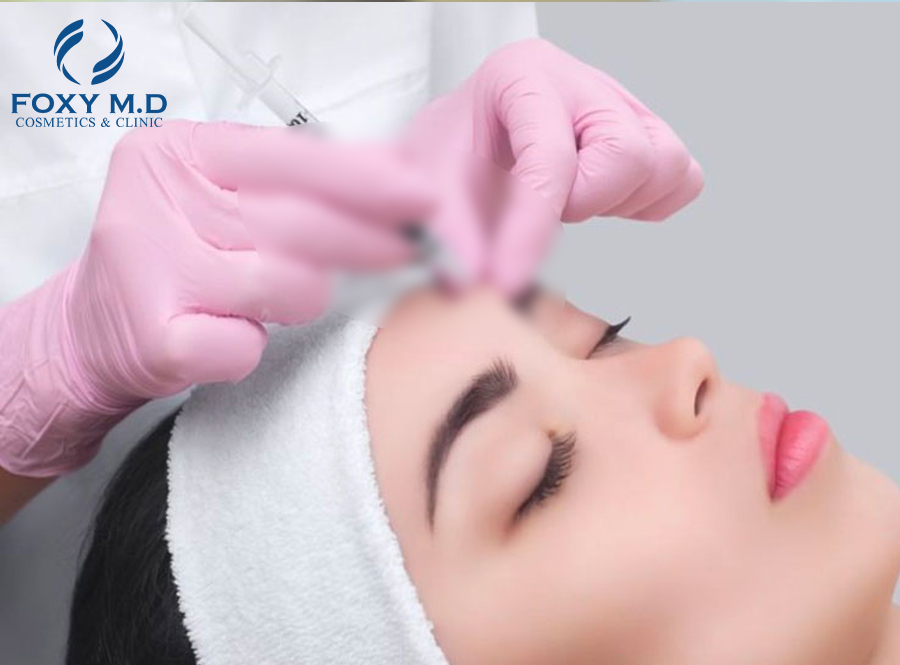
With advanced techniques such as micro-Botox, doctors can gently lift the brows for a brighter, more open eye area. Micro-Botox may also help:
Reduce oiliness
Minimize the appearance of pores
Improve skin texture for a smoother, “baby-skin” finish
Even though Botox is minimally invasive, safety and results depend heavily on correct protocols. Here’s what a typical medical-grade process looks like at reputable facilities:
The doctor evaluates your muscle activity, facial anatomy, and aging pattern, then selects accurate injection points and dosage—preventing stiffness or asymmetry.
The area is cleaned for sterility. Numbing cream is applied for 20–30 minutes to maximize comfort.
The doctor marks precise points and injects Botox using an ultra-fine needle, delivering the calculated dose into the correct muscles.
The procedure is quick—often 10–15 minutes—which is why Botox is sometimes called a “lunch break treatment.”
You can usually go home immediately with no downtime, while receiving clear instructions to optimize results.
When learning about Botox, pricing is a common concern. Costs vary widely, but I strongly recommend avoiding suspiciously cheap injections at non-medical places.
A Botox treatment often ranges from a few million to over ten million VND, depending on:
Botox brands include U.S. (Allergan), Korean, German, and more.
U.S. Allergan is often more expensive due to its purity and consistency. Korean Botox may be more affordable but still safe if it is legally imported and approved.
This is the most critical factor. A skilled doctor with strong anatomical knowledge can avoid complications like drooping eyelids, stiff expressions, or uneven results.
Jaw slimming typically requires more units than crow’s feet, so the cost depends on how many units are needed.
Aftercare is just as important as technique. Here are key tips to “lock in” your results:
For the first 4 hours: Do not lie down or bend your head too low. Staying upright reduces the risk of product migration and eyelid droop.
For the first 24 hours: Avoid touching, rubbing, or massaging the injection area.
For 3–5 days: Avoid sauna/steam rooms, very hot showers, or intense exercise. Heat may shorten Botox longevity.
For 1 week: Avoid alcohol and stimulants, which may increase bruising and reduce effectiveness.
Does Botox hurt?
Most people feel only mild pinching—like a tiny insect bite. With numbing and ultra-fine needles, discomfort is minimal.
How long does Botox last?
On average, 4–6 months, depending on the product and your metabolism. With regular treatments, effects may last longer as muscles become accustomed to reduced activity.
Will Botox freeze my face?
A “frozen” look usually happens when dosage is too high or injection placement is incorrect. With an experienced doctor, you can maintain natural expressions—just without deep wrinkles.
What’s the difference between Botox and filler?
They are completely different:
Botox relaxes muscles to treat dynamic wrinkles (movement-related).
Fillers add volume to reshape and fill areas (chin, cheeks, nasolabial folds) and treat static wrinkles (visible even at rest).
Now we’ve thoroughly explored what Botox is, how it works, and what it can do. Botox is truly an excellent medical achievement—helping us manage aging in a smarter, more effective way.
Botox is generally very safe—but only when used with authentic products and performed by a qualified medical professional. Never risk your face for a cheap deal.
If you want to refresh your look, smooth expression lines, or slim your jawline gently, do your research carefully and choose a trusted provider. Reputable clinics with experienced doctors—such as Foxy M.D Cosmetics & Clinic—are always ready to guide you with a personalized treatment plan.
I hope this article helped you gain clearer, more accurate knowledge about Botox. Wishing you beauty, confidence, and smart choices on your self-improvement journey!