Lượt xem: 4,067

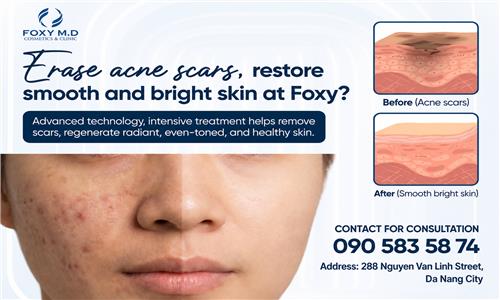
Acne scars, especially atrophic (pitted) scars, are among the most difficult skin conditions to treat. Today, there are many available solutions, but two of the most prominent and widely used methods are Fractional CO2 Laser and Stemcell Therapy. However, many people still don’t fully understand the differences between these two approaches, which can lead to choosing the wrong treatment and getting unsatisfactory results.
In this article, we’ll break down the key differences between Fractional CO2 and Stemcell Therapy in a simple, practical, and easy-to-understand way so you can make the best decision for your skin.
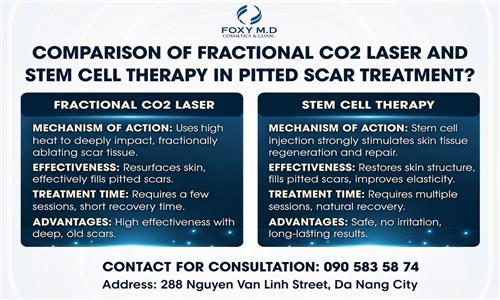
At their core, these two treatments work in completely different ways. Fractional CO2 Laser uses heat energy to create micro-injuries in the skin, stimulating regeneration and helping to fill acne scars from within. On the other hand, Stemcell Therapy uses stem cells or stem cell-derived extracts to nourish, repair, and regenerate the skin naturally.
In simple terms, Fractional CO2 works by “breaking down and rebuilding,” while Stemcell Therapy focuses on “nourishing and restoring.” Both aim to improve acne scars, but their mechanisms are entirely different.
Fractional CO2 is a micro-ablative laser technology that creates tiny controlled injuries on the skin’s surface. These micro-injuries break down scar tissue beneath the skin, allowing the body to produce new collagen to fill in the depressed areas.
Additionally, the heat energy helps resurface the skin, improving texture and making the skin smoother and more even-toned. This is why Fractional CO2 is often considered highly effective for deep and long-standing acne scars.
Unlike laser treatments, Stemcell Therapy focuses on repairing and regenerating the skin from within using stem cells or their extracts. This method helps restore damaged skin structures and stimulates natural collagen production.
It also nourishes the skin, improves elasticity, and enhances overall skin health. Because of this, Stemcell Therapy is ideal for mild to moderate acne scars or for post-treatment recovery after more aggressive procedures like laser.
When it comes to fast and visible results, Fractional CO2 generally has the advantage, especially for deep scars. It directly targets scar tissue, leading to quicker improvement.
In contrast, Stemcell Therapy offers a gentler and more gradual improvement, focusing on long-term skin health. While results may take longer to appear, they tend to be more sustainable and improve overall skin quality.
Recovery time is a key factor when choosing a treatment. With Fractional CO2, the skin usually needs a few days to a week to heal, and mild redness or peeling may occur during this period.
On the other hand, Stemcell Therapy typically requires little to no downtime. The skin recovers quickly, making it a great option for those with busy schedules who cannot afford extended recovery time.
.png)
Fractional CO2 is considered mildly invasive because it uses heat to create controlled skin damage. Therefore, it must be performed by experienced professionals to avoid risks such as hyperpigmentation or irritation.
Stemcell Therapy is less invasive and works through natural regenerative processes, making it a safer option, especially for sensitive skin types.
The cost of acne scar treatments varies depending on factors such as scar severity, technology used, and number of sessions required. Generally, Fractional CO2 falls into the medium-to-high price range, while Stemcell Therapy is often more expensive due to the advanced technology and specialized materials involved.
The best choice depends on your skin condition. If you have deep, long-standing scars and want noticeable results quickly, Fractional CO2 is usually the better option.
If your skin is sensitive, weakened, or you only have mild scars, Stemcell Therapy is a safer and more gentle alternative. It is also ideal for post-laser recovery to help the skin heal faster.
Modern skincare trends favor combining treatments rather than relying on a single method. In this case, Fractional CO2 can be used to break down scar tissue, while Stemcell Therapy helps repair and regenerate the skin.
This combination approach often delivers better results, speeds up recovery, and improves overall skin quality in the long term.
Many people make the mistake of choosing only one treatment without fully understanding their skin condition. Others lack consistency or neglect proper post-treatment care, which can significantly affect results.
Another common misconception is expecting results after just one session, whereas acne scar treatment typically requires a structured, long-term plan.
Both Fractional CO2 and Stemcell Therapy are effective solutions for acne scar treatment, but each is suited to different skin conditions. Understanding their mechanisms, advantages, and limitations is key to achieving the best results.
Ultimately, there is no one-size-fits-all solution. Personalized treatment plans, combined with proper skincare, are essential for achieving smoother, healthier skin over time.