Lượt xem: 4,067

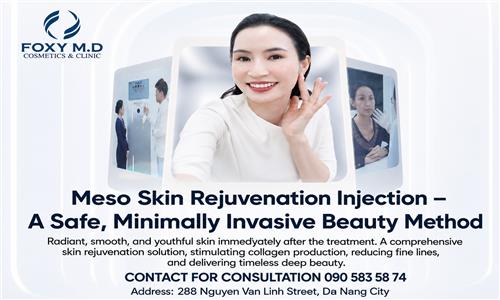
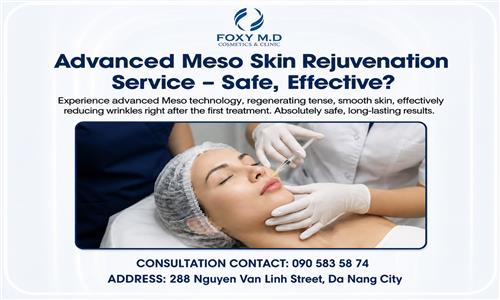
Skin-whitening mesotherapy is a method that delivers nutrients such as vitamin C, glutathione, peptides, or hyaluronic acid (HA) directly into the dermis layer of the skin.
The goal is to nourish the skin from within, rather than only acting on the surface like conventional skincare products.
The special feature of mesotherapy is its ability to “deliver nutrients exactly where they are needed.”
As a result, the effectiveness is often more noticeable and faster than topical treatments.
Simply put, instead of nutrients having to “travel through” multiple layers of skin, mesotherapy takes a shortcut.
This is why the method is becoming increasingly popular.
.png)
After about 4 weeks, the skin usually shows noticeable improvements if the procedure is performed correctly.
However, results vary depending on individual skin conditions and biology.
This is the most noticeable change.
Active ingredients like glutathione and vitamin C help inhibit melanin—the main cause of dark skin.
After one month, many people notice a gradual brightening rather than an instant tone-up.
This type of brightness looks natural, healthy, and more sustainable.
Mesotherapy often includes HA, which has excellent moisture-retaining properties.
As a result, the skin becomes plumper, softer, and smoother.
You can clearly feel the difference when touching your skin.
It becomes less dry and more “bouncy.”
If you have uneven skin tone, mild dark spots, or dullness due to stress or sun exposure, mesotherapy can help improve these conditions.
After one month, darker areas usually begin to fade gradually.
However, deeper melasma or long-term pigmentation requires more time and should not be expected to fully improve after a short course.
Micro-injections trigger the skin’s natural healing response.
This promotes the production of collagen and elastin.
Collagen plays a key role in keeping the skin firm and elastic.
That’s why the skin looks more “alive” after treatment.
Nutrients are delivered directly into the dermis—where topical products struggle to reach.
This significantly increases absorption efficiency.
As a result, active ingredients can work at their full potential, explaining the faster results compared to regular skincare.
Ingredients like glutathione reduce melanin production—the pigment responsible for dark spots and discoloration.
As melanin decreases, the skin gradually becomes brighter.
This is the core mechanism behind skin whitening with mesotherapy.
Costs vary depending on:
Typically ranges from moderate to high.
Higher-quality treatments often cost more but provide better results and safety.
Results are not permanent.
They usually last a few months depending on skincare habits and individual biology.
Without proper care, the skin may gradually return to its original condition due to:
Mesotherapy should be considered part of a long-term skincare routine, not a one-time solution.
Consult a professional before treatment.
Mesotherapy is becoming increasingly popular because it offers a balance between effectiveness and safety.
Dermatological studies show that delivering nutrients directly into the dermis improves absorption and stimulates natural skin repair.
Compared to more invasive methods, mesotherapy causes less damage and aligns with the trend of “natural and sustainable beauty.”
After one month, skin-whitening mesotherapy can provide noticeable improvements when performed correctly.
The skin becomes brighter, smoother, and more vibrant.
However, results are not immediate and depend on many factors such as individual biology, skin condition, and aftercare.
Mesotherapy should be viewed as part of a long-term skincare journey.
Choosing a reputable clinic and following professional advice are essential for safety and effectiveness.